


 Home
Home
Thoughts as we are mid - season with community based traveling baseball

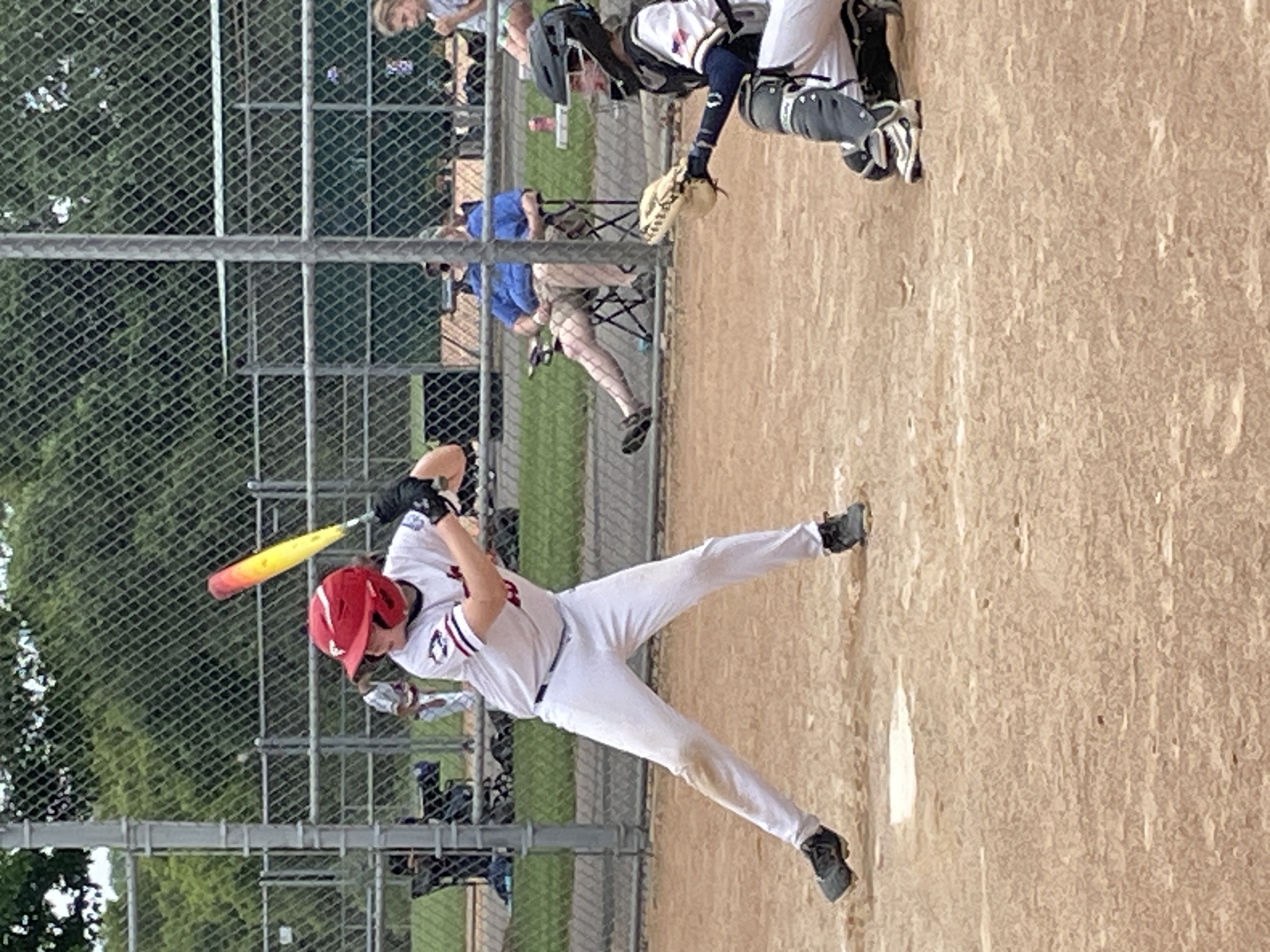
Why Players Look Great in Practice… But Struggle in Games
And What Coaches & Parents Can Do About It
If you’ve been around baseball long enough, you’ve seen it.
A player who rakes in batting practice… but freezes in games.
A pitcher who pounds the zone in bullpens… but loses command under pressure.
A fielder who’s smooth and confident in drills… but tight and hesitant when it matters.
This isn’t a talent problem.
It’s not even a mechanics problem.
It’s a performance gap. And it’s almost always mental.
What’s Really Going On?
Practice and games are two completely different environments.
In practice:
- There’s low pressure
- Mistakes don’t carry consequences
- Players are thinking about mechanics and technique
- The environment is controlled and predictable
In games:
- There’s pressure, expectations, and emotion
- Every play “matters”
- Players shift from trusting to thinking
- The environment becomes unpredictable
The result?
Players go from:
Loose → Tight
Reactive → Overthinking
Confident → Cautious
They stop playing and start trying not to mess up.
That’s where performance breaks down.
The Core Issue: Thinking vs. Trusting
Baseball is a reaction sport.
At the plate, there’s no time to think:
- A 70 mph pitch reaches the hitter in about 0.4 seconds
- A 90 mph pitch? Around 0.3 seconds
If a player is thinking about mechanics—hands, stride, swing path—they’re already too late.
Great players don’t think more in games.
They trust more.
So the real goal isn’t just better mechanics.
It’s helping athletes:
Trust their training under pressure
3 Ways Coaches & Parents Can Help Players Perform in Games
1. Train Like It’s a Game (Not Just a Drill)
Most practices don’t look anything like games.
That’s a problem.
If players only experience pressure during games, they’re unprepared for it.
What to do:
- Add consequences to drills (points, winners/losers, competition)
- Create situational reps (runner on 2nd, 1 out, game on the line)
- Use time pressure and decision-making elements
- Track results—not just reps
Simple example:
Instead of 10 swings in a row, try:
“You get 3 swings. Need 1 quality contact to win.”
Now it feels different. Now it matters.
2. Give Players a Simple “In-Game Focus”
Players don’t need more thoughts in games.
They need fewer, and better ones.
When athletes struggle, it’s usually because their mind is cluttered.
What to do:
Help players develop 1–2 simple cues they can rely on.
Examples:
- “See the ball”
- “Be easy”
- “Win this pitch”
- “Next play”
These cues should:
- Be simple
- Be repeatable
- Bring them back to the present moment
If a player steps in the box thinking 5 things, they’re in trouble.
If they step in with one clear focus, they’re ready.
3. Teach a Reset Routine (The Game-Changer)
Baseball is built on failure.
Even great players fail most of the time.
The difference isn’t who avoids mistakes…
It’s who recovers fastest.
What to do:
Teach players a simple reset routine they use after every play.
A reset might look like:
- Recognize – Be aware of the emotions and actions that aren't helpful
- Release – Deep breath, physical action (brush dirt, adjust gloves)
- Refocus – Cue word to move on and reset (“Next pitch”)
This builds what we call “Next Play Speed”
→ How fast a player can move on and re-engage
Players who can reset quickly stay consistent.
Players who don’t carry mistakes into the next play.
Final Thought
Most players don’t struggle in games because they aren’t good enough.
They struggle because:
They haven’t been trained to handle the moment
If we want better game performance, we can’t just coach mechanics.
We have to coach:
- Mindset
- Focus
- Response to pressure
Because at the end of the day:
Players don’t rise to the level of their talent
They fall to the level of their preparation under pressure
If you’re a coach or parent, start here:
- Make practice more game-like
- Simplify what players focus on
- Teach them how to reset
Do that consistently, and you’ll start to see something powerful:
Players who don’t just look good in practice…
But show up when it counts.